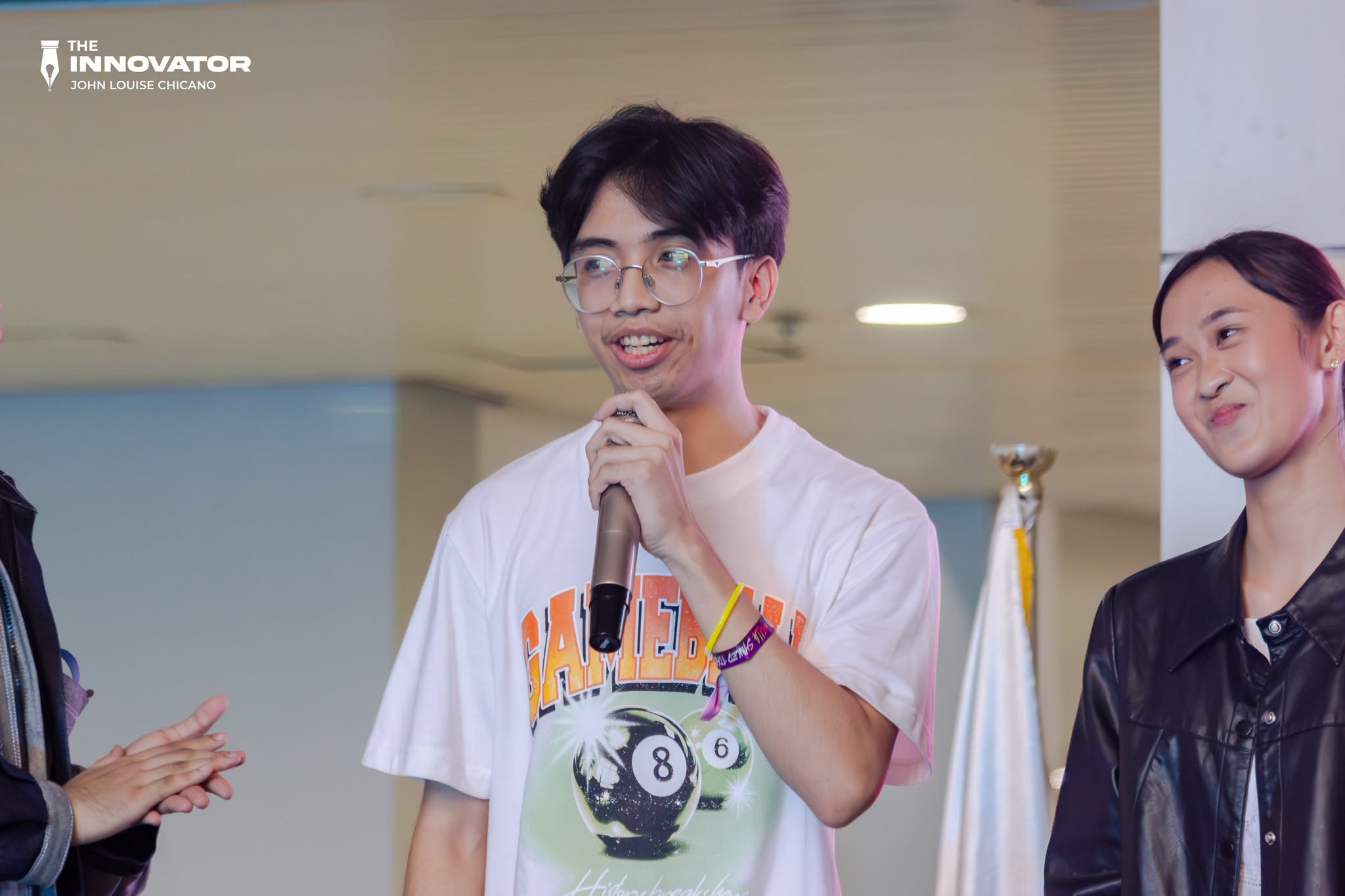

The Greatest Good, Per Peso
Jeremy BenthamJohn Stuart Mill
My Journal · Sean Martin Andrei V. Tabelisma
My digital journal for moral reflections.
A reflective space for examining the values, responsibilities, and questions that shaped me as a Computer Engineering student, student leader, programmer, and person working with technology.
01My Moral Self-Portrait
I am a Computer Engineering student, student leader, programmer, and someone who works with technology. This journal is a place to examine how those roles shape the way I choose, create, and take responsibility.
My Ethics Manifesto
“I want my work to be useful without losing sight of the people it serves. I will practice honesty, care, and accountability in the small choices with technology.”
Tap the photo to flip through →
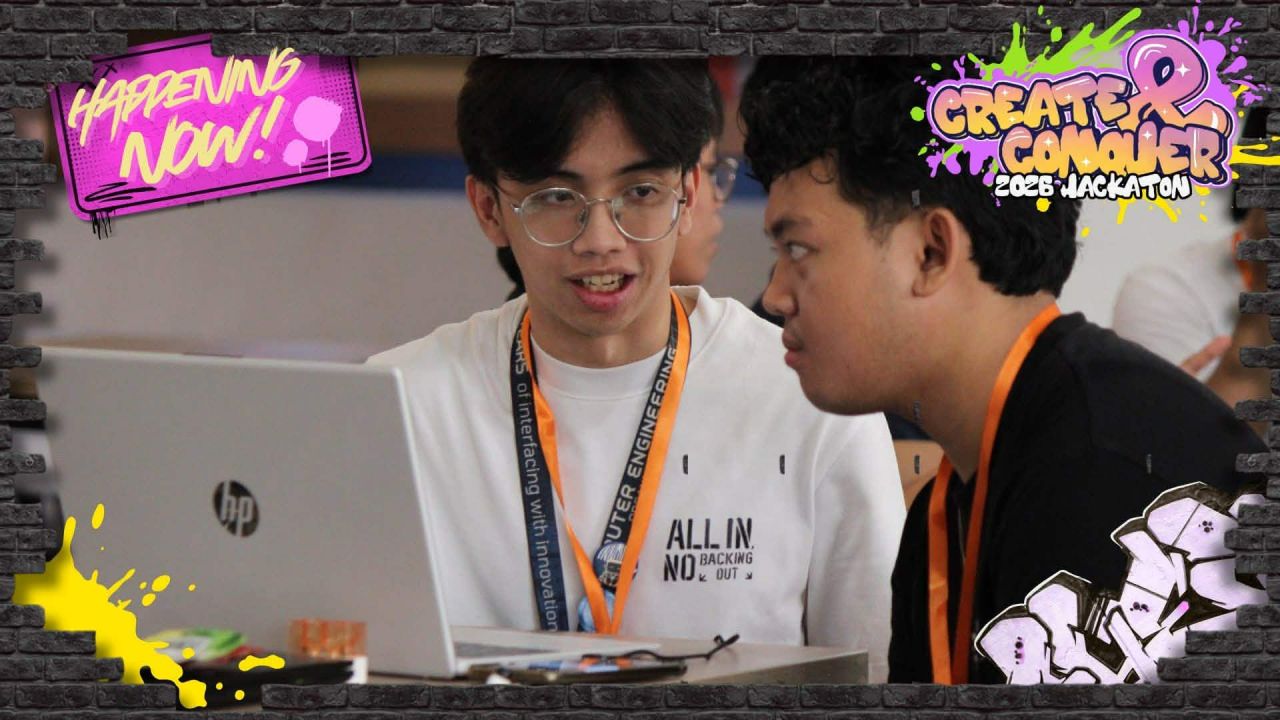
Working with a teammate at the Create & Conquer 2026 Hackathon, 1 of 3
My Core Values
I strive to act consistently with what I believe is right, even when doing the right thing may be difficult or inconvenient. For me, integrity means being honest with myself and with others and making sure that my actions reflect the values I claim to have. It also means avoiding shortcuts that compromise my principles, especially when no one is watching.
I believe that I should take ownership of the choices I make and the commitments I accept. Responsibility means understanding that my actions can affect not only myself but also the people around me. As a student, leader, and future engineer, I want to be someone who can be trusted to fulfill my duties and acknowledge when I have made a mistake.
I try to consider people equitably, especially when my decisions can affect others. Fairness does not always mean treating everyone exactly the same, but rather considering each person’s situation and making decisions without unfair bias or favoritism. I believe that being fair is important when working with classmates, organization members, teammates, and other people who depend on me.
I believe that every person deserves to have their dignity, boundaries, opinions, and experiences recognized. Respect means listening to perspectives that may differ from my own and avoiding the assumption that my way of thinking is always correct. In both personal and professional situations, I want to communicate with others in a way that recognizes their value as individuals.
I believe that being accountable means being willing to explain my decisions, accept the consequences of my actions, and correct my mistakes. Instead of hiding an error or blaming someone else, I should acknowledge what happened and learn from it. As someone who works with technology and hopes to become a professional engineer, I believe accountability is essential because the decisions I make can affect other people.
02My Moral Compass
My moral compass was not shaped by one single experience or belief. It developed gradually through the people I grew up with, the education I received, the technology I work with, the responsibilities I accepted, and the experiences that challenged me to think about my decisions.
My family was one of the earliest influences on how I learned to understand right and wrong. Growing up, I learned the importance of being respectful, responsible, and considerate toward other people. The values taught at home became a foundation for how I approach situations outside of it. Even as I became more independent, the lessons I learned from my family continued to influence how I treat people, handle responsibilities, and think about the consequences of my actions.
03Moral Moments
Six moments from leadership, school, and technology where doing the right thing took a real decision.
Tap the card to flip through →
Student Leadership, 1 of 6
Responsibility / Fairness
As a Junior Officer and later Treasurer of the Computer Engineering Organization, I became involved in responsibilities that affected not only me but also other students and organization members. Being part of the organization required me to manage tasks, coordinate with others, and make sure that responsibilities were handled properly. As I became more involved, I realized that leadership was not simply about having a position or completing assigned tasks. It also meant being dependable and considering how my decisions could affect the organization and the people who trusted me.
04Moral Moments Journal
Real situations from school, work, home, and online, each read through a different ethical theory.
05My Ethics Growth Page
A one-page reflection on what this journal has changed in me.
01 · My Ethical Thinking
I used to think that right and wrong were mostly about following rules: do your part, do not cheat, do not hurt anyone. Writing this journal showed me that the hardest moral moments rarely come with a clear rule. They happen while managing a budget, working through a deadline, moderating a community, or replying to my parents when I am tired. Each ethical theory gave me a different question to ask. Utilitarianism asks who is affected. Kant asks whether my principle could be a rule for everyone. Christian ethics asks whether I am acting out of love. Confucian ethics asks whether I am honoring my relationships, and distributive justice asks whether the burden is fairly shared.
The theory that influenced me the most is Aristotle’s virtue ethics. The other theories help me evaluate a single decision, but Aristotle reminded me that I am also building a character through every decision I make. I do not become honest by agreeing with honesty. I become honest by telling the truth repeatedly, especially when it costs me something.
02 · My Values
I strengthened integrity and accountability. Owning a mistake as a developer, or presenting honest results instead of impressive ones, taught me that trust is built slowly and lost quickly. I questioned my idea of fairness. I used to believe that fair always meant equal, but dividing work in our thesis group showed me that fairness must consider each person’s actual situation. I also developed a deeper sense of respect, not just politeness, but recognizing the dignity of people who disagree with me, people who have wronged me, and the users I will never meet who depend on what I build.
03 · My Ethical Growth
In my personal life, I want to be consistent. I want to be the same person at home, in my organization, and online. As a future Computer Engineer, I will apply these lessons by testing my work honestly, reporting my mistakes early, collecting only the data that a system truly needs, using AI tools as support rather than as a replacement for my own understanding, and remembering that every system I build is used by real people. Engineering decisions are moral decisions, even when they look like technical ones.